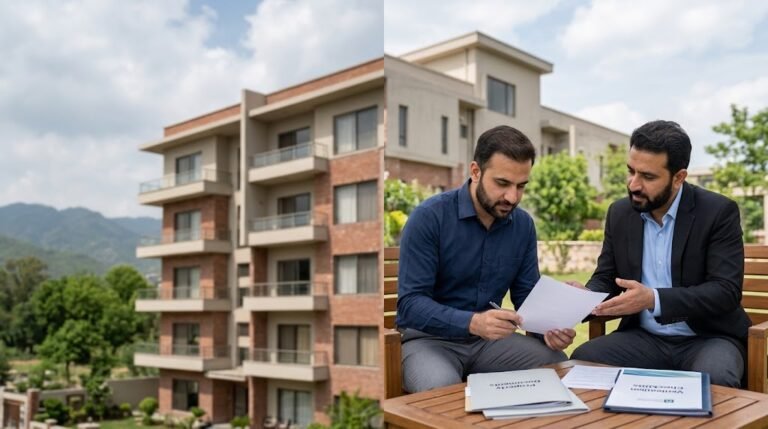
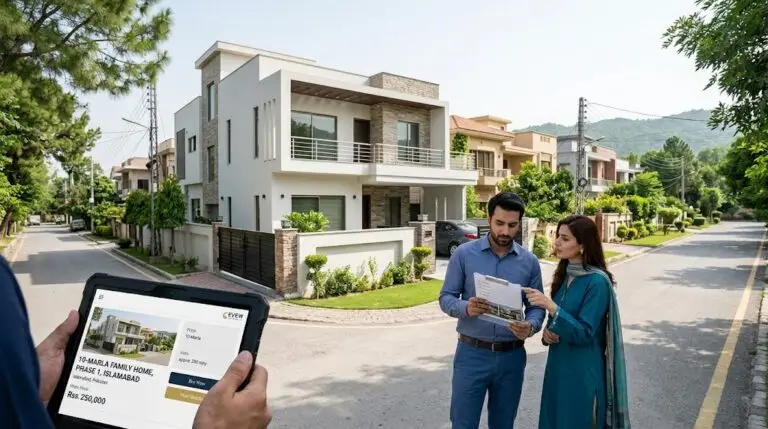
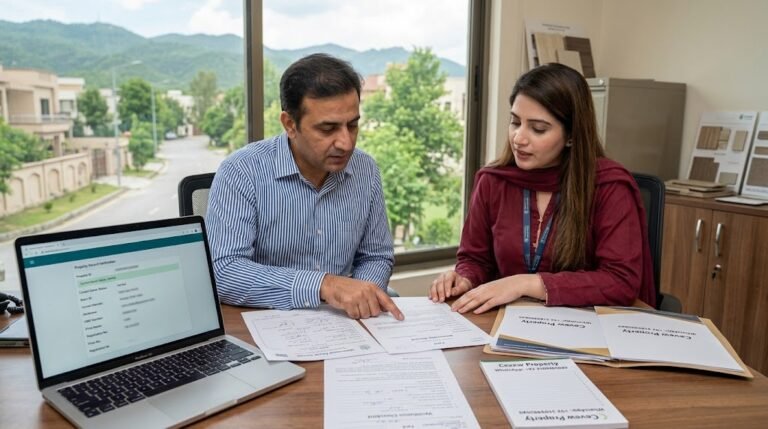
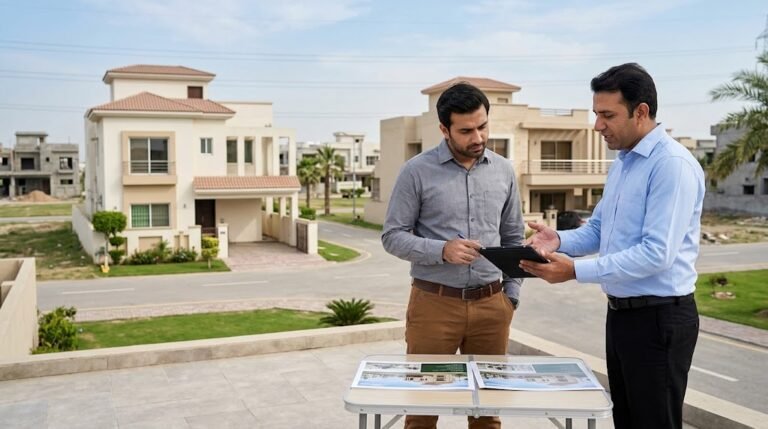
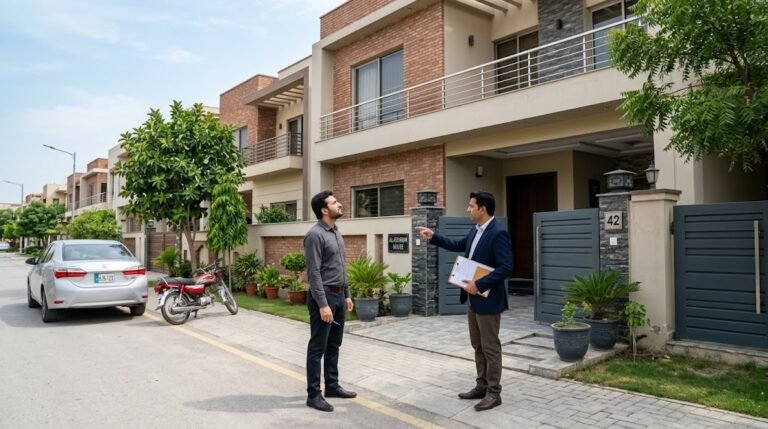
How to Inspect a House Before Buying: A Practical Checklist
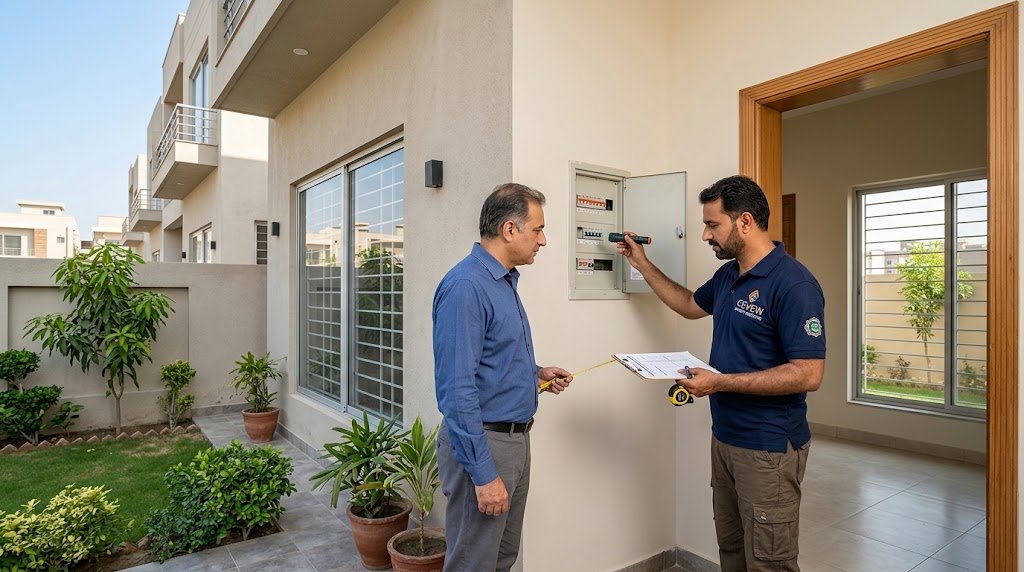
Most buyers walk through a house and ask two questions: "Is the price right?" and "Does it look good?" That is not enough. A house can look clean, freshly painted, and well-maintained while hiding serious problems underneath — a leaking roof, weak foundation, faulty wiring, or a drainage system that backs up every monsoon season.
Learning how to inspect a house before buying is not about becoming a civil engineer. It is about knowing what to look for, what questions to ask, and when to call in a professional. This guide walks you through every major check — from the foundation to the roof — so you can make an informed decision before signing anything.
For a broader overview of the entire buying journey, read our guide on common mistakes first-time home buyers make.
How to Inspect a House Before Buying — The Short Version
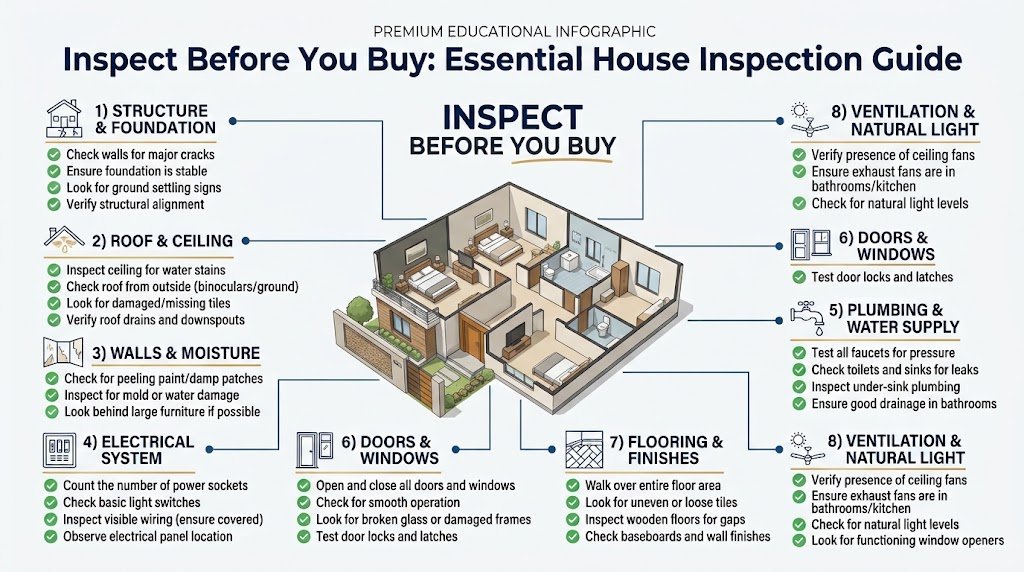
Here is the core inspection process in five steps:
- Check the exterior first — Foundation, walls, roof, and drainage.
- Move room by room inside — Ceilings, floors, windows, and doors.
- Test plumbing and electrical systems — Run taps, flush toilets, check the breaker panel.
- Confirm gas and water connections — These are critical in Islamabad and Rawalpindi.
- Document everything — Take photos and notes, and bring in a professional if unsure.
What Does a House Inspection Cover?
A proper house inspection is not a single glance at the paint colour. It is a systematic review of the property's condition — outside, inside, and throughout its core systems. The goal is to identify problems that:
- Could cost you significant money to repair after purchase
- Could make the house unsafe to live in
- Could reduce the property's resale value
- Could indicate deeper structural or maintenance problems
A house inspection covers the foundation, structure, roof, plumbing, electrical wiring, gas connection, water supply, drainage, and overall condition of the property. It is not an appraisal — it does not tell you what the house is worth. It tells you what condition the house is actually in.
If you are also evaluating the broader buying decision — not just the condition of the house — our complete house buying checklist for Islamabad and Rawalpindi covers budgets, documentation, and location factors.
Exterior Inspection: Foundation, Walls, and Roof
Start outside. The exterior tells you a lot about how the house has been maintained and whether there are structural warning signs. Walk around the entire property slowly. Do not rush this step.
Foundation Checks
- Look for visible cracks — Hairline cracks are often normal settling. Wide cracks, diagonal cracks, or cracks that run through bricks (not just along mortar lines) can indicate foundation problems.
- Check for uneven floors — If the ground floor slopes noticeably or doors struggle to close properly, the foundation may have shifted.
- Look for moisture at the base of walls — Damp patches, white salt stains (efflorescence), or peeling paint near the ground level suggest rising damp or water seepage.
Wall and Exterior Checks
- Inspect for cracks in load-bearing walls — Cracks wider than a few millimetres, especially around windows, doors, or corners, need attention.
- Check for water stains or damp patches — Discolouration on exterior walls, particularly below balconies or around pipes, suggests leakage.
- Examine the paint and plaster — Bubbling paint, flaking plaster, or exposed brickwork are signs of moisture penetration or poor-quality construction.
- Look at the parapet and boundary walls — Cracks or leaning in boundary walls can indicate soil settlement or drainage problems.
Roof Inspection
- Climb up and look — Do not inspect the roof from the ground. Go up and check the surface.
- Look for water pooling — Flat roofs should have a proper slope for drainage. Stagnant water after rain causes seepage.
- Check for cracks in the roof slab — Especially around drain outlets and parapet joints.
- Inspect the waterproofing membrane — If you can see the waterproofing layer, check whether it is cracked, blistered, or worn away.
- Look at the underside of the roof from inside — Water stains, dark patches, or peeling paint on the ceiling below the roof are clear signs of leakage.
Do not assume a freshly painted exterior means the house is in good condition. Fresh paint often hides cracks, damp patches, and water stains. Ask the seller when the house was last painted and why. If the paint is very recent and the house is older, inspect more carefully.
The Hidden Roof Leak
A buyer in Rawalpindi viewed a house that looked perfect from the street. The walls were freshly painted, the exterior was clean, and the price was attractive. But when he climbed onto the roof, he found water pooling near a drain outlet and a cracked waterproofing membrane. Inside, the bedroom ceiling had been freshly repainted — hiding a water stain. The actual repair cost was significant. He negotiated the price down or walked away. That is the value of a roof inspection.
Interior Inspection: Room-by-Room Checklist
Once the exterior is done, move inside. Go through every room slowly. Bring a torch, a notebook, and your phone for photos. Do not let the seller or agent rush you.
Interior Inspection Checklist
- Ceilings — Look for water stains, cracks, sagging, or peeling paint. Check corners where walls meet the ceiling — this is where seepage often appears first.
- Floors — Walk across every room. Do you feel any soft spots, uneven surfaces, or creaking that suggests subfloor damage? Check for cracked tiles, loose marble, or gaps in wooden flooring.
- Walls — Run your hand along the walls. Feel for dampness, bulges, or crumbling plaster. Look behind furniture if possible — sellers sometimes place furniture strategically to hide defects.
- Windows and doors — Open and close every window and door. Do they stick, sag, or fail to latch? This can indicate foundation movement or poor installation.
- Ventilation and natural light — Stand in each room during the day. Does it feel stuffy? Do windows open to fresh air or a neighbouring wall?
- Bathrooms — Check for damp walls, loose tiles, mould, and musty odours. Look under the sink for leaks. Flush the toilet and check the water flow.
- Kitchen — Test all taps. Check under the sink for water damage. Look for proper ventilation. Ask about the gas connection point and whether it is currently active.
- Staircase — If the house has multiple floors, check the staircase for cracks, loose steps, or signs of movement where it meets the wall.
- Storage areas and cupboards — These are often neglected. Open built-in cupboards and check for dampness, insect damage, or water marks.
Bring a torch and use it even during the day. Shine it at an angle across walls and ceilings. Shadows will reveal cracks, uneven patches, and water stains that direct light hides.
Plumbing and Water Supply Checks
Plumbing problems are among the most expensive and inconvenient issues to fix after buying a house. In Islamabad and Rawalpindi, water supply reliability varies significantly by area — some sectors have steady municipal supply, while others depend on boring, tankers, or community wells.
What to Check
- Turn on every tap — Check water pressure in the kitchen, bathrooms, and any outdoor taps. Weak pressure on upper floors is common but should be understood before you commit.
- Ask about the water source — Is it CDA supply, a private boring, a society supply line, or tanker-dependent? Each has different reliability and cost implications.
- Check for leaks under sinks — Look for water stains, dampness, or corrosion around pipe joints.
- Flush all toilets — Check that they flush properly and refill without excessive noise or delay.
- Test drainage — Run water in sinks and showers to see how quickly it drains. Slow drainage suggests blockages.
- Inspect the water tank — If accessible, look at the overhead or underground tank. Check for cracks, algae growth, or signs of contamination.
- Ask about water pressure history — Does pressure drop in the evening? Are there scheduled supply hours?
The Water Tank Problem
A family in G-13 found a house they loved. But during the inspection, they asked to see the overhead water tank. The tank had a visible crack and the water level was low — even though the house was occupied. The seller claimed the tank was fine. A simple conversation with the neighbour confirmed that the house had chronic low water pressure from the main line. This information changed the negotiation entirely.
If you are comparing different properties across Islamabad, understanding the location-specific factors — including water supply — can help you make a better decision.
Electrical System Inspection
Faulty wiring is a safety hazard and a major repair cost. An electrical inspection does not require technical expertise — but it does require attention to detail.
Electrical Checklist
- Find the main breaker panel — Is it accessible, well-organised, and labelled? A messy panel suggests amateur electrical work.
- Check the wiring condition — Look at exposed wiring in the breaker panel, attic, or any visible conduits. Old, brittle, or exposed wiring is a red flag.
- Test every power outlet — Plug in a phone charger or a small device. Look for loose sockets, sparking, or burn marks.
- Check the switches — Turn on every light switch. Listen for buzzing or crackling sounds.
- Ask about backup power — Does the house have a UPS, generator, or solar system? What is the backup capacity? Is the wiring set up for it?
- Look for overloaded outlets — Too many multi-plug extensions hanging from a single socket indicate inadequate wiring for the household's needs.
- Check for earthing/grounding — Ask whether the house has proper earthing. Poor earthing is a significant safety risk, particularly in older properties.
In Pakistan, power outages and voltage fluctuations are common. Ask specifically about voltage stabilisers, surge protectors, and whether the wiring can handle heavy appliances like air conditioners, water heaters, and kitchen equipment. A house with old wiring may not support modern electrical loads safely.
Gas Connection Verification
In Islamabad and Rawalpindi, gas connections are not automatic. Some houses have active connections; others are on waiting lists or rely on LPG cylinders. Verifying the gas situation is critical because it affects daily living costs and convenience.
- Ask if the gas connection is active — A house may have gas pipes installed but no active SNGPL connection. This is common in newer societies or recently constructed portions.
- Check the gas meter — If there is a meter, note the number and ask to see a recent gas bill. Confirm the connection is in the seller's name and is not disconnected due to unpaid bills.
- Test the gas stove or geyser — If possible, turn on a gas appliance to confirm the supply is working.
- Ask about the connection history — Has the connection ever been disconnected? Are there pending dues? Will the transfer process require a new application?
- In private societies — Some societies have their own gas supply arrangements. Confirm with the society's office what the current status is and what transfer will involve.
In many areas of Islamabad and Rawalpindi, transferring a gas connection from the seller to the buyer involves paperwork with SNGPL and may include fees. Factor this into your total cost and timeline. For more on the costs involved, read our guide on the hidden costs of buying property in Pakistan.
Structural Issues You Should Never Ignore
Some problems are cosmetic and can be fixed with a coat of paint. Others are structural and can cost millions of rupees to repair — or make the house unsafe. Here are the structural red flags that should make you pause before proceeding.
| Issue | What It Looks Like | Why It Matters |
|---|---|---|
| Foundation Settlement | Wide diagonal cracks, doors that no longer close properly, uneven floors | Indicates the foundation is shifting. Can require expensive underpinning work. |
| Roof Leakage | Water stains on ceilings, peeling paint, damp patches that worsen after rain | Leads to structural deterioration, mould, and damage to interior finishes. |
| Rising Damp | White salt stains, peeling paint at ground level, musty smell in ground floor rooms | Persistent dampness damages walls, creates unhealthy living conditions, and is difficult to fix permanently. |
| Load-Bearing Wall Cracks | Cracks wider than a few millimetres that run through bricks rather than along mortar lines | May indicate structural stress that could compromise the building's safety. |
| Poor Drainage | Water pooling around the foundation, damp walls after rain, slow-draining bathrooms | Leads to foundation damage, dampness, and health hazards. |
← Scroll horizontally to view the full table →
If you see one major structural warning sign, do not ignore it because the price seems attractive. That warning sign is the reason the price is attractive.
If you are also considering whether to buy a plot instead of a constructed house, our guide on things to check before buying a plot covers a different set of inspection priorities.
When Should You Hire a Professional Inspector?
You can do a lot of the visual inspection yourself. But certain situations call for professional help. Hiring a qualified building inspector, civil engineer, or experienced contractor is a small investment compared to the cost of buying a house with hidden defects.
Consider hiring a professional if:
- The house is older — Properties more than 15–20 years old are more likely to have structural wear, outdated wiring, and plumbing issues.
- You notice structural red flags — Wide cracks, foundation concerns, or roof leakage should be assessed by someone with construction expertise.
- The house has been recently renovated — Renovations can hide defects. A professional can spot what is behind new paint and finishes.
- You are buying from a distance — If you are an overseas Pakistani buying in Islamabad or Rawalpindi, you may not be able to inspect personally. A professional inspection becomes essential.
- You are not comfortable assessing construction quality — There is no shame in admitting this. Most buyers are not engineers.
A professional inspection typically costs a fraction of one percent of the property value. If the inspector finds even one significant issue — a leak, a wiring problem, or a foundation crack — that single discovery often saves you far more than the inspection fee. Never skip professional help when you are uncertain.
Inspection Mistakes to Avoid
Even careful buyers make mistakes during the inspection process. Here are the most common ones — and how to avoid them.
Mistake #1: Inspecting in a Hurry
Some buyers spend 15 minutes walking through a house and then make an offer. That is not an inspection. A proper inspection of a small house takes at least 45–60 minutes. A larger property takes longer. Do not let the agent or seller rush you.
Mistake #2: Inspecting at the Wrong Time
Inspect during daylight hours, not in the evening when natural light is gone. Also, try to inspect after rain if possible. Water problems are most visible after rainfall — damp walls, water pooling, and drainage issues become obvious.
Mistake #3: Not Asking Questions
Do not assume anything. If you notice a crack, ask about it. If a wall looks freshly painted, ask when and why. If a toilet flushes slowly, ask if there have been drainage problems. The seller or agent may not answer honestly, but their reaction can tell you a lot.
Mistake #4: Ignoring the Neighbourhood
A house inspection should extend beyond the property line. Walk around the street. Look at neighbouring houses. Are they well-maintained? Is there construction nearby that could affect the house? Is there standing water in the street after rain?
Mistake #5: Forgetting to Check at Different Times
A street that is quiet on a Friday afternoon may be busy and noisy on a Monday evening. A water supply that works in the morning may drop in the evening. Visit the area at different times of day and on different days before making a final decision.
Mistake #6: Trusting Verbal Assurances
"The roof was waterproofed last year." "The wiring was replaced recently." "The gas connection will be transferred easily." These statements are meaningless unless backed by evidence. Ask for receipts, warranties, or documentation. If the seller cannot provide proof, treat the claim as unverified.
Mistake #7: Skipping the Inspection to Save Time
This is the most expensive mistake a buyer can make. Skipping the inspection to close a deal quickly often leads to discovering major problems after you have already paid. The cost of a proper inspection is always worth it.
Key Takeaways
- Start from the outside and work inward — Foundation, walls, roof, then interior rooms.
- Test every system — Run taps, flush toilets, check electrical outlets, and confirm gas supply.
- Look for water damage first — Water is the most common and most expensive source of house problems in Pakistan.
- Bring a torch, take photos, and make notes — You will not remember every detail later.
- Do not let fresh paint fool you — New paint often hides existing defects.
- Ask direct questions — And verify the answers with evidence, not verbal assurances.
- Hire a professional when unsure — The inspection fee is a fraction of the risk of buying a defective house.
- Visit at different times — Water pressure, traffic, and neighbourhood activity change throughout the day.
Frequently Asked Questions
How long should a house inspection take?
For a small to medium-sized house (5–10 marla) in Islamabad or Rawalpindi, a thorough personal inspection should take at least 45 to 60 minutes. Larger houses or properties with multiple floors will take longer. Do not rush. A professional inspection may take several hours depending on the property's size and condition.
Should I inspect the house before or after making an offer?
Ideally, inspect before making an offer. This gives you leverage to negotiate based on any defects you find. At minimum, complete a detailed inspection before paying a significant token amount or signing any agreement. Never pay the full amount without a proper inspection.
Can I inspect the house myself without a professional?
Yes, you can perform a visual inspection yourself using the checklist in this guide. However, if you notice structural concerns, if the house is old, or if you are not confident assessing construction quality, bring in a qualified professional. The cost of professional help is small compared to the risk of missing a major defect.
What are the most common hidden problems in houses in Islamabad and Rawalpindi?
Common hidden issues include roof leakage, rising damp in ground floors, poor water pressure in upper floors, outdated electrical wiring, gas connections that are not active, drainage blockages, and cracks in load-bearing walls. Many of these are not visible in photographs and require physical inspection.
What should I do if I find defects during the inspection?
Document the defects with photos and notes. Then assess the severity. Cosmetic issues are minor. Structural or safety issues are serious. You can use the defects to negotiate a lower price, ask the seller to fix the problems before purchase, or walk away if the issues are too significant. Never ignore a serious defect because you feel emotionally attached to the house.
Should I inspect the house again before taking final possession?
Yes. Do a final walkthrough shortly before the transfer is completed and you take possession. Check that nothing has been damaged, removed, or changed since your earlier inspection. Confirm that any agreed repairs have been completed. This final check protects you from unpleasant surprises at handover.
Ready to Inspect a Property?
Now that you know what to look for, browse available houses in Islamabad and Rawalpindi and apply your new inspection skills. Every property deserves a proper check.
Browse Houses for Sale