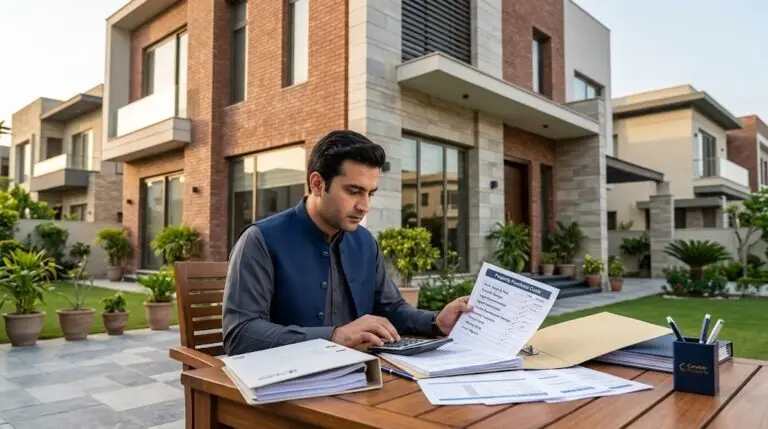
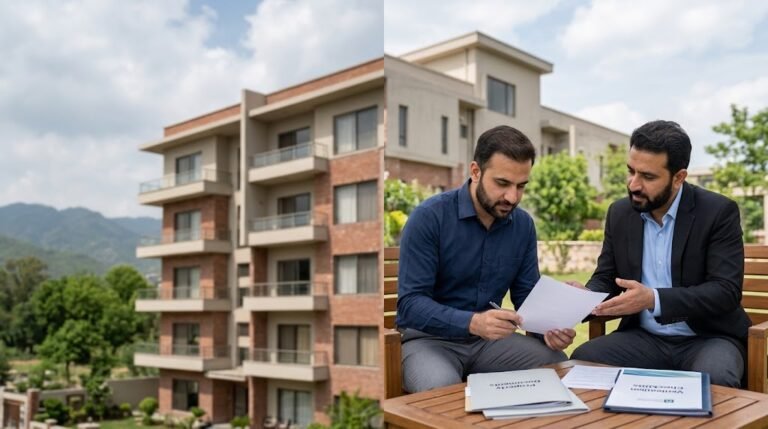
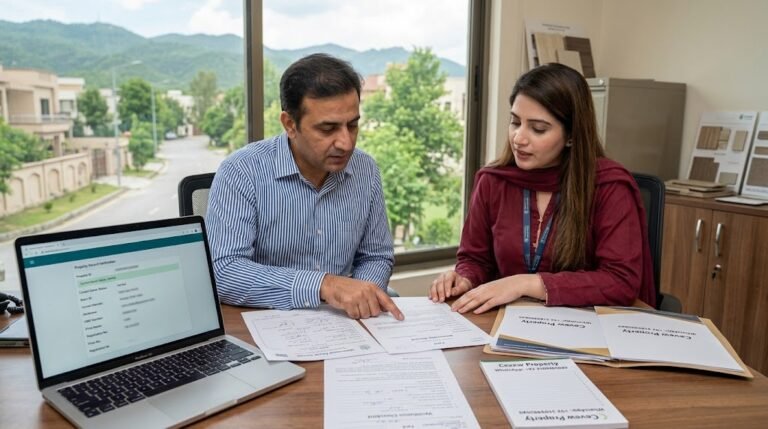
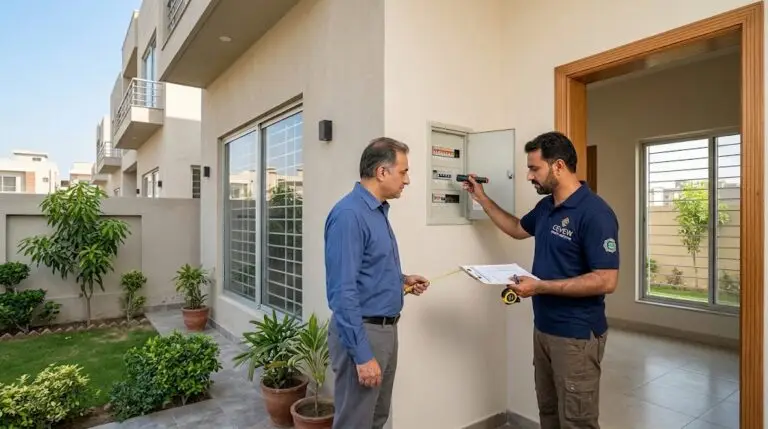
How to Choose the Right Location When Buying a House
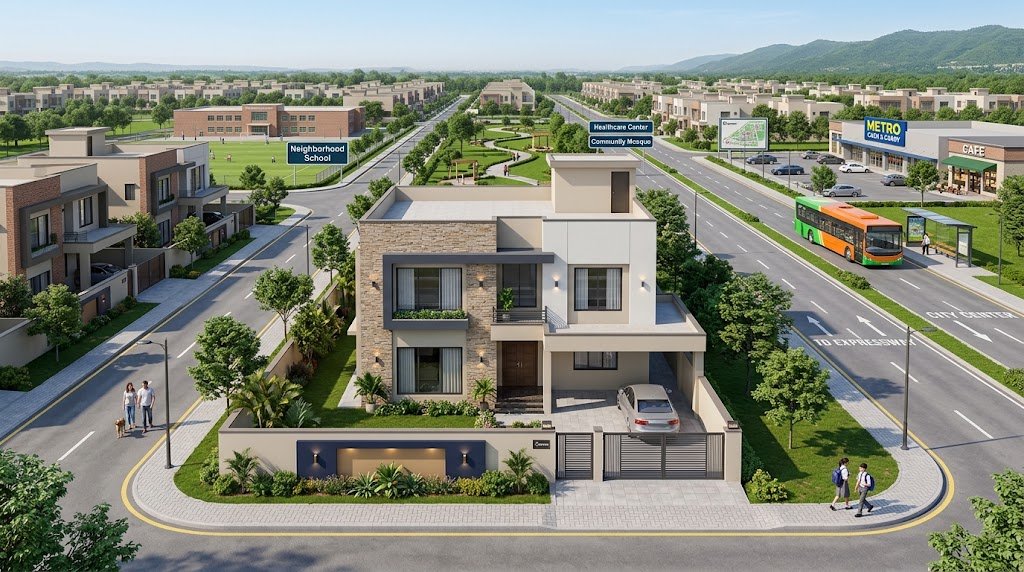
Here is a truth that experienced buyers learn early: you can change almost everything about a house — except its location. You can renovate the kitchen, repaint the walls, and even add a new room. But you cannot move the house away from a noisy road, closer to a good school, or into a safer neighborhood.
Choosing the right location when buying a house in Islamabad or Rawalpindi is not just about the address. It is about how the location shapes your daily life, your commute, your children's education, your sense of security, and the long-term value of your investment. This guide walks you through the factors that actually matter — and how to evaluate them before you sign anything.
How to Choose the Right Location — The Short Version
- Check the route during rush hour, not just on a Sunday afternoon.
- Consider public transport options if you do not drive.
- Look at access to main roads like Islamabad Expressway, IJP Road, or Adiala Road in Rawalpindi.
- If you have children, measure the distance to their school or college.
- Schools and universities — Important for families with children or if you plan to have children.
- Hospitals and clinics — Emergency access is non-negotiable for elderly family members.
- Markets and grocery stores — Daily shopping should not require a long trip.
- Mosques — Walking distance to a mosque matters for many families.
- Parks and recreational spaces — Especially important for families with young children.
- Banks and ATMs — Practical for daily banking needs.
- Water supply — Is it CDA supply, boring, or tanker-based? Ask neighbors about water pressure and availability during summer.
- Electricity — Check load-shedding patterns in the area. Ask about backup options.
- Gas connection — Confirm whether a gas line exists and is active. In some newer societies, gas connections may still be pending.
- Sewerage and drainage — Poor drainage leads to waterlogging during monsoon. Ask about flooding history.
- Road quality — Are the streets properly paved? Are there potholes or drainage problems?
- Street lighting — Well-lit streets contribute to safety at night.
- Visit the area in the evening and at night. Is it well-lit? Are people walking around normally?
- Ask local shopkeepers and residents about the area's security reputation.
- Check if the street has a neighborhood watch or security guard arrangement.
- In gated societies like Bahria Town or DHA Islamabad, ask about security protocols and entry control.
- In open CDA sectors, check street-level security and police presence.
- Stand outside the house during rush hour and listen.
- Check if there are mosques, schools, or wedding halls nearby that might create noise at specific times.
- Ask about construction activity in the area — both current and planned.
- Consider air quality. Areas near industrial zones or heavy traffic corridors tend to have more pollution.
- Are there new roads, metro lines, or expressways planned nearby? These can improve connectivity but also bring noise and traffic.
- Is the area scheduled for commercial development? That could increase property value or make the area congested.
- Are there large housing projects planned that might increase population density?
- Check the Islamabad Master Plan and CDA's development announcements for your target area.
- Water and electricity reliability
- Noise levels at night
- Security concerns, if any
- Parking problems on the street
- Any recurring drainage or flooding issues
- Commute time — Measured during rush hour to work, school, and university
- Road access — Condition of the street, width, and connection to main roads
- Water supply — Source, reliability, and pressure confirmed by residents
- Electricity — Load-shedding frequency and backup options in the area
- Gas connection — Active or pending, confirmed with utility provider
- Drainage and sewerage — No history of waterlogging or flooding during monsoon
- Nearby schools — Quality and distance from the property
- Healthcare access — Hospital or clinic within reasonable emergency distance
- Market convenience — Grocery, pharmacy, and daily essentials nearby
- Mosque access — Walking distance or short drive
- Safety — Checked at day, evening, and night
- Noise levels — Assessed at different times, not just during the visit
- Street lighting — Adequate for night safety
- Parking availability — For your own vehicles and visitors
- Neighborhood condition — Maintenance of streets, sidewalks, and common areas
- Future development plans — Checked with local authority or society office
- Rental potential — If you need to rent the property later
- Resale potential — Demand in the area for similar properties
-
01
List Your Non-Negotiable Requirements
Start with your daily reality. Where do you work? Where do your children go to school? How far are you willing to commute? What amenities must be within 10 minutes of your home? Write these down. These are your non-negotiables.
-
02
Shortlist Three to Five Areas
Based on your budget and non-negotiables, shortlist the areas that realistically fit. Use Cevew Property area pages to compare Islamabad sectors, Rawalpindi neighborhoods, and private housing societies.
-
03
Visit Each Area at Different Times
Morning, midday, and evening visits. Note traffic, noise, pedestrian safety, and general atmosphere. Do not skip the evening visit — it reveals a different side of every neighborhood.
-
04
Talk to Current Residents
Ask about water, electricity, security, and any recurring problems. Residents are the most honest source of information about a neighborhood. A five-minute conversation can save you from a five-year mistake.
-
05
Check Infrastructure in Person
Turn on taps if possible. Check street lighting. Look at drainage. Ask about gas connection status. If the property is in a society, visit the society office and ask about current infrastructure status.
-
06
Research Development Plans
Ask the CDA office, housing society management, or local real estate professionals about planned developments. New roads, commercial projects, or infrastructure changes can significantly affect property value and livability.
-
07
Compare Areas Side by Side
Create a simple comparison — write down the pros and cons of each area. Score them on commute, amenities, safety, infrastructure, and cost. The area that scores highest on the factors that matter most to you is the right one.
-
08
Search for Properties in Your Chosen Area
Once you have selected a location, browse available properties for sale in that area on Cevew Property. Compare houses that match your budget and requirements.
-
09
Inspect the Specific Street and House
Within your chosen area, some streets are better than others. Inspect the specific street for parking, noise, maintenance, and neighbor quality. Then inspect the house itself thoroughly.
-
10
Reconsider Before Making an Offer
Before you pay any token amount, step back and ask: "Can I live in this location for the next five to ten years?" If the answer is anything less than a clear yes, keep looking.
- Location is the one thing you cannot change — You can renovate a house but not its neighborhood, commute, or street.
- Evaluate accessibility first — Measure your daily commute to work, school, and essential services before falling in love with the house.
- Check infrastructure with residents — Water, electricity, gas, and drainage reliability can only be confirmed by people who already live there.
- Visit at different times of day — Morning, midday, and evening visits reveal noise, traffic, and safety realities.
- Do not buy based on future promises — Development projects can be delayed or cancelled. Buy what exists today.
- Compare areas side by side — Write down pros and cons for each shortlisted area. The right location will stand out clearly.
- Think about resale and rental potential — Life changes. A well-located property is easier to sell or rent later.
Why Location Matters More Than the House
When buyers visit a property, they fall in love with the house itself. The marble floors, the wooden staircase, the garden — these are tangible and emotional. But the location is what determines whether you will actually enjoy living there day after day.
Think about it this way. You spend perhaps 10–12 hours a day inside your house. The remaining 12–14 hours are spent outside — commuting, shopping, dropping children at school, attending Friday prayers, visiting the doctor, or simply walking in the neighborhood. A bad location can make every one of those outside hours harder.
You can renovate a house. You cannot renovate a street, a commute, or a neighborhood.
In cities like Islamabad and Rawalpindi, two houses with exactly the same covered area can have very different prices — sometimes a difference of 30–50% — purely because of location. A house on a wide, quiet street in a well-connected sector will always command more than an identical house on a congested lane with poor road access.
Even if you are buying for yourself rather than as an investment, resale value matters. Life changes. You may need to move for work, family, or other reasons. A house in a poorly chosen location is harder to sell or rent later.
Key Factors to Evaluate When Choosing a Location
1. Accessibility and Daily Commute
This is the factor most buyers underestimate. Ask yourself honestly: how long will it take you to reach work, school, or university every single day? Not once. Every day. A 45-minute commute each way means 7.5 hours per week spent in traffic. That is nearly a full working day.
2. Nearby Amenities and Facilities
Practical convenience matters more than you think. A house that looks perfect in the listing photos becomes less perfect when you realize the nearest hospital is 40 minutes away in an emergency, or that you need to drive 20 minutes every time you run out of milk.
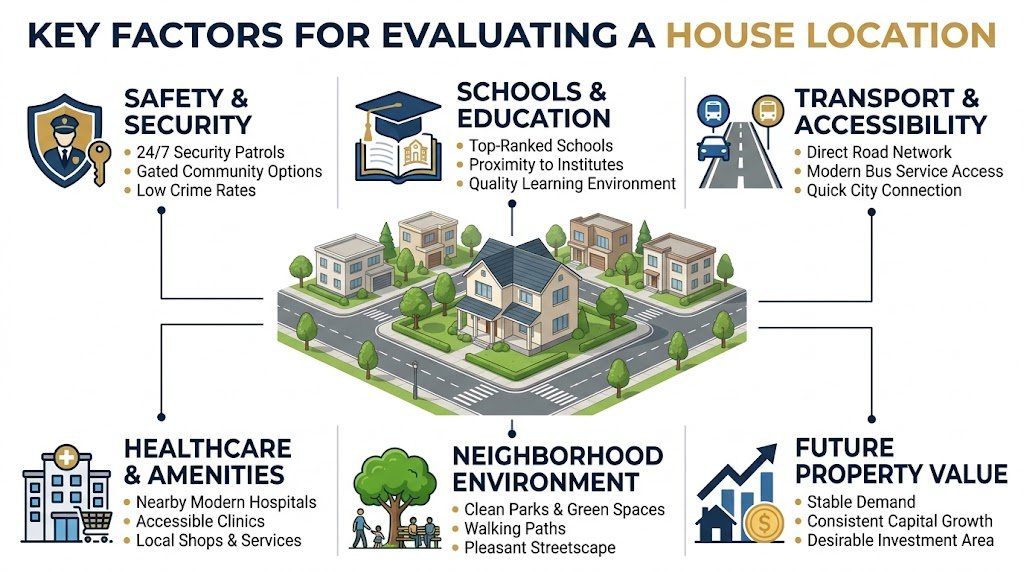
A well-planned neighborhood with wide streets, green spaces, and community facilities makes daily life easier.
3. Infrastructure and Utilities
Islamabad's infrastructure quality varies significantly between sectors, societies, and developing areas. Before committing to a location, verify these practical matters:
Do not assume that because an area is "developed," its utilities are reliable. Even established areas of Islamabad can face water shortages during summer or electricity issues. Talk to current residents before buying. They will tell you the truth that listing agents often skip.
4. Safety and Security
Safety is difficult to quantify, but it is one of the most important location factors. Here is how to get a realistic picture:
5. Noise and Environmental Factors
Noise is a factor buyers often ignore until they have moved in. A house near a main road, a commercial market, or a construction site can be unbearable.
6. Future Development Plans
An area that seems quiet today may change dramatically in five years — for better or for worse. Research what is planned:
Do not buy based on promises of future development. Buy based on what exists today. Infrastructure projects in Pakistan can be delayed by years or cancelled entirely. The current reality of the neighborhood is the only thing you can count on.
Islamabad vs Rawalpindi: Location Comparison
Many buyers consider both cities because they are adjacent but offer very different living experiences. Here is a practical comparison to help you decide which city matches your needs.
| Factor | Islamabad | Rawalpindi |
|---|---|---|
| Urban Planning | Strictly planned sectors with wide roads, green belts, and regulated development. | Denser, older city with a mix of planned and unplanned areas. Older neighborhoods may have narrow streets. |
| Property Prices | Generally higher, especially in central sectors like F-6, F-7, F-8, and E-7. | More affordable in most areas, including Saddar, Satellite Town, and Bahria Town Rawalpindi. |
| Lifestyle and Environment | Quieter, greener, and more spacious. Better for families seeking a calm environment. | Busier and more commercial. Better for those who want easy access to markets and bustling city life. |
| Commercial Activity | Limited compared to Rawalpindi. Commercial areas are concentrated in specific markaz locations. | Strong commercial culture. Saddar, Raja Bazaar, and Commercial Market are major trading hubs. |
| Commute to Work | Shorter for those working in Blue Area, F-sector offices, or diplomatic enclave. | Shorter for those working in Rawalpindi's commercial areas, Adiala Road, or nearby industrial zones. |
| Rental Demand | High in sectors near universities, offices, and diplomatic areas. Good for investment rentals. | Very high in commercial areas and near hospitals (like Holy Family or Combined Military Hospital). |
| Best For | Families, professionals working in Islamabad, overseas Pakistanis seeking a secure home base, buyers who value quiet and greenery. | Business owners, traders, families with roots in Rawalpindi, buyers seeking more affordable options close to Islamabad. |
← Scroll horizontally to view the full table →
The Work Commute Factor
A government officer working in the Secretariat might choose I-8 or G-10 in Islamabad for a 15-minute commute. A business owner running a shop in Raja Bazaar Rawalpindi would find commuting from Islamabad's F-7 impractical — they would be better served by Satellite Town or a location closer to their business. Your location choice should start with your daily routine, not the house itself.
How to Research a Neighborhood Before Buying
You do not need to be a real estate expert to evaluate a location. You just need to be systematic. Here are practical research methods that any buyer can use:
Visit at Different Times of Day
A street that is peaceful at noon might be congested at 5 PM when school traffic hits. A market that seems convenient on a Sunday might be chaotic during the week. Visit the area at least three different times: morning rush hour, midday, and evening.
Talk to People Who Already Live There
The best source of information about a neighborhood is the people who live in it. Approach a few residents politely and ask about:
Most people are happy to share their experience. This is the fastest way to get honest, unfiltered information.
Check Online Listings and Area Pages
Browse available properties in the area to understand the price range and property types. Use Cevew Property's area pages to compare different neighborhoods, see what is available, and understand the general market conditions for each location.
When researching any area, keep a simple note on your phone or paper. List the pros, cons, and any red flags you notice. After visiting several areas, compare your notes side by side. The right location will stand out clearly.
Common Location Mistakes Buyers Make
Even experienced buyers make location errors. Here are the most common ones — and how to avoid them.
Mistake #1: Choosing Price Over Location
The temptation to buy a bigger, cheaper house in a distant or poorly connected area is strong. But remember: you live with the location every day, not just on the day you buy. A "bargain" house 25 kilometers from your workplace becomes less of a bargain when you spend two hours a day in traffic.
Mistake #2: Not Checking the Street, Only the House
Buyers spend hours inspecting the house but never walk down the street. The street matters. Is it maintained? Are there potholes? Is there proper drainage? Is it safe to walk at night? A beautiful house on a neglected street is not a good deal.
Mistake #3: Ignoring Future Development Plans
What exists today may not exist tomorrow. A quiet residential street might be rezoned for commercial use. A vacant plot next door might become a multi-story building that blocks your sunlight and privacy. Check development plans before buying. Talk to the local CDA or society office about what is planned for adjacent plots.
Mistake #4: Rushing the Decision
Real estate pressure is real. Agents may tell you "another buyer is coming tomorrow" or "this price is only valid today." Do not let urgency force you into a location you have not properly researched. A genuine property will still be there next week. A scammer's "opportunity" will not.
Mistake #5: Not Considering Rental Potential
Even if you are buying to live in the house, circumstances can change. If you need to move or rent the property later, will it attract tenants? Areas near universities, hospitals, and commercial centers tend to have stronger rental demand. Check our full house buying checklist for more factors to consider.
Mistake #6: Assuming the Area Will Improve
Buyers sometimes purchase in underdeveloped areas hoping the neighborhood will "catch up." Sometimes it does. Often it does not — or takes decades. Buy based on current reality, not future promises. If you can accept the area as it is today, go ahead. If you are counting on improvements that may never come, reconsider.
The best location is not the one with the lowest price. It is the one that fits your daily life, your family's needs, and your long-term plans.
Location Evaluation Checklist
Use this practical checklist when evaluating any location in Islamabad or Rawalpindi. Print it, write it down, or keep it on your phone. Go through every item before making an offer.
Location Checklist for Home Buyers
Step-by-Step Location Evaluation Process
Follow these steps in order to systematically compare locations before you buy.
Key Takeaways
Frequently Asked Questions
How do I know if an area in Islamabad is safe?
Visit the area at different times of day, especially in the evening. Talk to current residents and local shopkeepers. Ask about any security incidents or concerns. In gated societies, ask about security protocols. In open sectors, check street lighting and whether people are comfortable walking at night. No area is perfectly safe, but a well-maintained, well-lit street with active neighbors is generally a positive sign.
Which is better for a family: Islamabad or Rawalpindi?
It depends on your family's lifestyle and daily routine. Islamabad offers quieter, greener, more spacious living with better urban planning — ideal for families who value calm and open spaces. Rawalpindi offers more commercial activity, stronger local markets, and more affordable prices — better for families with business connections in the city. Both cities have excellent schools, hospitals, and housing options. Your choice should be driven by where you work and what kind of daily environment your family prefers.
Should I buy in a developing area to save money?
Developing areas in Islamabad, such as G-13, G-14, or peripheral societies, offer more affordable prices. However, they may have infrastructure gaps — pending gas connections, limited water supply, or incomplete road networks. If you can comfortably live with the current condition of the area and are willing to wait for improvements, buying in a developing area can be a smart financial decision. But never buy based on promised development. Buy what exists today and accept what it is.
How important is resale value when choosing a location?
Very important — even if you are buying to live in the house. Life circumstances change: job transfers, family growth, marriage, or retirement can all force a move. A house in a well-connected, well-maintained area with strong demand will sell faster and at a better price than a similar house in a poorly located area. When choosing a location, think about whether someone else would want to buy your house five or ten years from now.
What is the most overlooked factor when choosing a location?
Noise. Buyers focus on visual factors — the house, the street, the landscaping — but often ignore the sound environment. A house near a busy road, a commercial market, a school, or a mosque can have significant noise levels at certain times of day. Noise affects sleep quality, comfort, and overall well-being. Always stand outside the property during rush hour and in the evening to assess noise levels before making a decision.
How do I check if utilities are reliable in a specific area?
The most reliable way is to talk to current residents of the area. Ask about water pressure during summer, electricity load-shedding frequency, gas connection status, and any drainage or sewage issues. You can also check with the relevant utility provider — SNGPL for gas, IESCO for electricity in Islamabad — about the area's infrastructure status. Never rely solely on the seller or agent for this information.
Ready to Find the Right Location for Your Next House?
Now that you know how to evaluate locations in Islamabad and Rawalpindi, the next step is to see what is actually available in the areas that match your needs. Browse verified property listings across both cities.
Browse Properties by LocationSimilar Posts
Hidden Costs of Buying Property in Pakistan
Hidden Costs of Buying Property in Pakistan: What You Must Know | Cevew Property /* ========== CEVEW PROPERTY BLOG DESIGN SYSTEM ========== */ :root { –gold: #D4AF37; –gold-hover: #C19D2E; –gold-soft:…
How to Buy a Flat or Apartment Safely
How to Buy a Flat or Apartment Safely in Pakistan | Cevew Property Buyer Guide · Islamabad & Rawalpindi How to Buy a Flat or Apartment Safely 14 min read…
Best Areas to Buy a House in Rawalpindi
Buying Guide 2026 Best Areas to Buy a House in Rawalpindi From established communities like Bahria Town and DHA to central neighbourhoods such as Chaklala Scheme 3, Gulraiz and Askari…
How to Check Property Ownership in Islamabad
Ownership Verification Guide How to Check Property Ownership in Islamabad Before you pay any money, you need to confirm that the person selling the property is actually the recorded owner….
How to Inspect a House Before Buying
How to Inspect a House Before Buying | Cevew Property Guide :root { –gold: #D4AF37; –gold-hover: #C19D2E; –gold-soft: #FBF7EC; –gold-border: #E5D5A8; –gold-light: #F3E8C8; –deep-dark: #0A0A0A; –dark: #111111; –dark-soft: #1A1A1A; –white:…
How to Negotiate Property Price With a Seller
How to Negotiate Property Price With a Seller | Cevew Property :root { –gold: #D4AF37; –gold-hover: #C19D2E; –gold-soft: #FBF7EC; –gold-border: #E5D5A8; –gold-light: #F3E8C8; –deep-dark: #0A0A0A; –dark: #111111; –dark-soft: #1A1A1A; –white:…